Why 21 Days? The Science Behind the Minimum Concussion Stand-Down
The 21-day minimum stand-down for concussion in under-18s is not arbitrary. Here is the neuroscience behind the rule, how UK guidelines arrived at the figure, and what it means in practice for coaches and schools.
Why 21 Days? The Science Behind the Minimum Concussion Stand-Down
Key takeaways
- The UK Concussion Guidelines for Grassroots Sport (November 2024 update) set a minimum 21-day stand-down before return to contact sport for under-18s.
- This figure comes from neuroscience on the metabolic recovery window in a developing brain, not from arbitrary caution.
- "Minimum" means a floor, not a target. Many young athletes will need longer.
- Adults playing community sport face a 14-day minimum, but the biological rationale for the stricter paediatric rule is well established.
- Symptom-free is a necessary condition for progressing through graduated return to play, but it is not sufficient on its own.
The 21-day rule gets questioned every season. A player feels fine after a week, parents want them back on the pitch, and coaches feel the pressure. Understanding where the number comes from makes it easier to hold the line - and harder to dismiss as over-cautious bureaucracy.
The graduated return to play (GRTP) protocol, as set out in the November 2024 UK Grassroots Concussion Guidelines published by the Sport and Recreation Alliance, is the definitive framework for community and school sport in England and Wales. The minimum stand-down period it specifies is not a conservative best-guess; it is grounded in what we know about how the brain recovers from concussive injury.
What graduated return to play actually means
Graduated return to play is a staged progression from complete rest back to full contact training and competition. Each stage introduces a slightly higher demand on the brain and body, and the player must complete each stage without symptoms returning before moving to the next.
The UK guidelines for grassroots sport describe six stages, from rest through to full contact practice and then match play. The critical feature is that no stage can be rushed: a minimum of 24 hours must separate stages, and any return of symptoms resets the clock. The Concussion in Sport Group's 6th Consensus Statement (CISG 2023) underpins this structure internationally.
The 21-day figure applies to under-18s as the minimum time from injury before return to contact activity, assuming symptom resolution and successful completion of the graduated stages. For adults in the community game, the minimum is 14 days. Both figures assume that the early graduated stages (aerobic exercise, sport-specific exercise) are completed without symptom recurrence.
The history: how guidance evolved from "if you feel OK, play"
Twenty years ago, the common standard in community sport was simple: once a player said they felt fine, they were cleared to return. There was no mandatory stand-down. Elite sport operated more cautiously, but grassroots rugby, football, and hockey often had no protocol at all.
The shift happened as two bodies of evidence converged. First, neuroimaging studies showed that the brain can still display metabolic disruption days after a player has become asymptomatic - meaning feeling fine and being neurobiologically recovered are not the same thing. Second, research on young athletes demonstrated that developing brains take longer to recover than mature ones, and that returning to contact during the metabolic recovery window significantly raises the risk of further injury.
The NHS Healthier Together guidance on concussion reflects the same principle: clinical recovery and symptom resolution are different stages of the same process.
The neuroscience of recovery: what is actually happening in the brain
When a concussion occurs, the brain undergoes a complex metabolic crisis. Neurons fire indiscriminately, depleting energy stores. Calcium floods into cells. The brain demands more glucose to restore ion balance, but blood flow to the affected area is simultaneously reduced. This mismatch between supply and demand is sometimes called the concussion energy crisis.
The resolution of this crisis takes time. In adults, the metabolic window typically closes within 7-10 days of a straightforward concussion. In adolescents, the window is wider - current evidence suggests 14 to 28 days in many cases, with variability depending on injury severity, prior history, and individual factors.
Importantly, this metabolic disruption does not reliably produce symptoms once the acute phase has passed. A player can feel entirely well while their brain is still in the recovery phase. This is the core reason why symptom-free status does not equal clearance to return to contact. The CISG 6th Consensus Statement makes this explicit: physiological recovery outlasts clinical symptom resolution in most cases.
Why 21 days, not 14 or 28
The 21-day figure for under-18s represents a risk-weighted minimum. Here is the reasoning:
- The metabolic recovery window in adolescents typically closes within 21 days for the majority of straightforward concussions.
- The graduated return process itself (from rest to contact-ready) takes a minimum of 5-6 days if the player is symptom-free and progressing well.
- A player who starts the graduated process on day 14 and completes the non-contact stages in 7 days will be at day 21 before they reach full contact training. The two timelines are intentionally aligned.
The 14-day adult minimum reflects the shorter metabolic window in mature brains. Both figures are floors, not ceilings. A player who develops symptoms at stage 3 of the GRTP at day 18 does not automatically clear for contact on day 22; they restart from the step at which symptoms recurred.
The UK guidelines are deliberately conservative relative to earlier versions precisely because the consequences of returning a young athlete too early - including the rare but catastrophic risk of second impact syndrome - are asymmetric. The cost of waiting is a missed training session. The cost of returning too early can be severe.
Adult vs paediatric minimums: why the difference is not just caution
The gap between 14 days (adults) and 21 days (under-18s) reflects biological reality, not administrative conservatism. Three differences between adolescent and adult brains are most relevant:
-
Myelination is incomplete. The axonal sheaths that insulate nerve fibres are not fully formed until the mid-20s. Demyelinated or partially myelinated axons are more vulnerable to shear forces, and disruption is more likely to have downstream effects.
-
The energy demand is higher. Adolescent brains use more glucose per unit of brain tissue than adult brains. The metabolic mismatch during the recovery window is therefore more pronounced.
-
Autoregulation is less robust. The brain's ability to regulate its own blood flow in response to demand is less well developed in adolescents. This prolongs the recovery window and makes re-injury during that window more dangerous.
The Children's Trust guidance on paediatric concussion sets out the same principles in accessible terms for parents and non-clinical staff.
What "minimum" actually means: the floor, not the target
This is the most commonly misunderstood aspect of the 21-day rule. It is a minimum - the earliest point at which a fully asymptomatic player who has completed each stage successfully can return to contact. It is not a target date, and it does not guarantee recovery.
In practice, a number of players will need longer:
- Any player who experiences symptom recurrence at any stage restarts from that stage and adds further days to the total.
- Players with a previous concussion history may take longer. Current guidelines do not specify a longer minimum in this case, but clinical judgement should apply.
- Players with persistent symptoms beyond 14 days should be referred to their GP for assessment rather than continuing the GRTP.
The GRTP protocol managed by Luca's platform tracks each stage with structured documentation, giving coaches and schools a clear record of where each player is in the process and flagging any recurrence of symptoms automatically.
Who signs off return to contact, and what "clearance" means
Under the November 2024 UK Grassroots Guidelines, return to contact training or competition requires sign-off by a person with appropriate clinical competence. In community and school sport, this typically means a GP, sports medicine doctor, or other qualified clinician rather than a coach or school staff member.
This is an important boundary. A coach can oversee stages 2 and 3 (light aerobic and sport-specific exercise) and document symptom status. They cannot clear a player for stage 5 (full contact training) without clinical sign-off. The guidelines are explicit on this point, and it is one of the most common gaps in school and club protocols.
The Luca Safe Concussion Framework, free to download from /lscf/, sets out the clinical oversight requirements for each stage and provides the documentation structure needed to demonstrate compliant management.
What to do when a player fails a stage
Failure at a GRTP stage - defined as any return of concussion symptoms - triggers a return to the previous symptom-free stage after a minimum 24-hour rest period. The player does not restart from stage 1 unless symptoms are significant or a new injury is suspected.
If a player fails a stage more than once, or if symptoms persist beyond 14 days from injury, GP referral is the appropriate step. This is not a failure of the protocol; it is the protocol working as designed. Persistent symptoms may indicate post-concussion syndrome, which requires clinical management beyond the scope of a coach or school sports staff member.
Practical implications for schools and clubs this season
Here is what the 21-day rule means operationally:
- Start the clock at the time of injury, not when symptoms resolve. Day 1 is the day of the incident.
- Begin graduated activity only when the player is completely symptom-free at rest. This is stage 2 - light aerobic exercise. Do not start stages before symptom resolution.
- Allow a minimum of 24 hours between each stage. A six-stage protocol with daily progression takes at least six days. Combined with the symptom-resolution requirement, this means the earliest practical return to contact is around day 14 for adults and day 18-21 for under-18s.
- Document every stage. If there is ever a challenge - from a parent, a safeguarding review, an insurer - the documentation is the evidence that the protocol was followed.
- Arrange clinical sign-off before stage 5. Do not leave this to the last minute. Build the GP or clinical contact into the process early.
Practical takeaway: what to do next
- Use the date of injury to calculate the earliest possible return date before the player even feels ready.
- Brief all coaching staff and sports staff on the staged protocol before the season starts, not after the first incident.
- Ensure you have a named clinician (GP, sports doctor, school nurse with relevant training) who can provide sign-off for stage 5.
- Document every stage. A written record protects the player and the school or club.
- Download the Luca Safe Concussion Framework at /lscf/ and check your current practice against the seven domains.
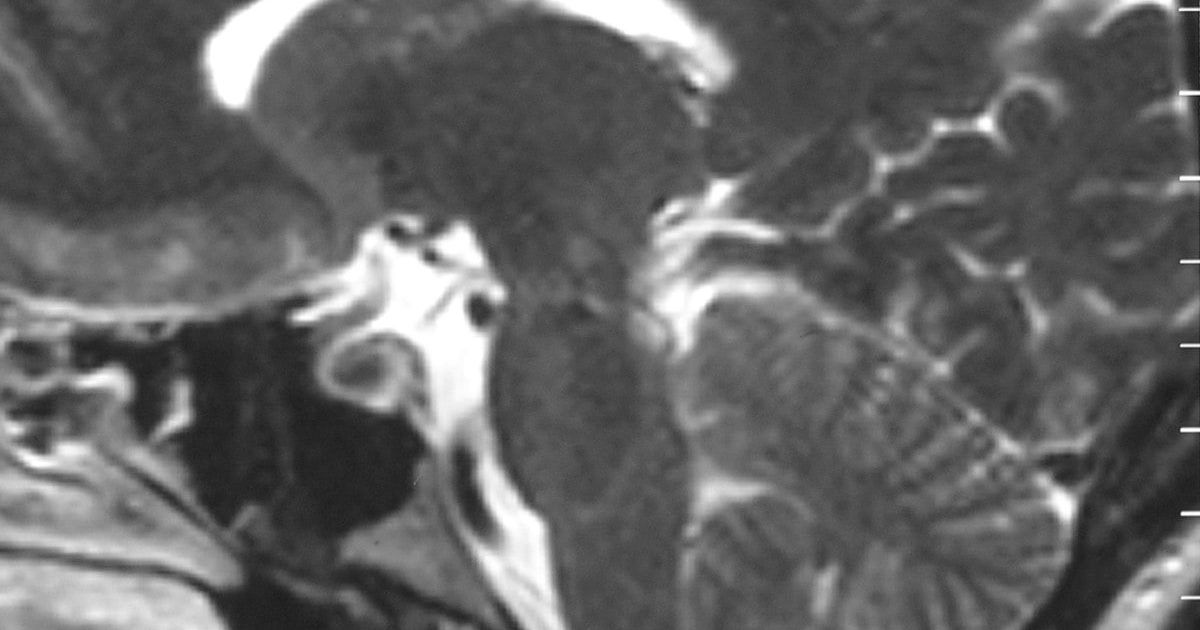
Photo: Raymond F Sekula Jr, Peter J Jannetta, Kenneth F Casey, Edward M Marchan, L Kathleen Sekula and Christine S McCrady, CC BY 2.0 https://creativecommons.org/licenses/by/2.0, via Wikimedia Commons.
Sources
- Sport and Recreation Alliance. UK Concussion Guidelines for Grassroots Sport (November 2024 update). https://sportandrecreation.org.uk/files/uk-concussion-guidelines-for-grassroots-non-elite-sport---november-2024-update-061124084139.pdf
- Concussion in Sport Group. 6th International Consensus Statement on Concussion in Sport (CISG 2023). British Journal of Sports Medicine. https://bjsm.bmj.com/content/57/11/695
- NHS Healthier Together / What0-18. Head Injury - Concussion. https://www.what0-18.nhs.uk/parentscarers/injury-fractures/head-injury
- The Children's Trust. Concussion in children and young people. https://www.thechildrenstrust.org.uk/brain-injury-information/conditions/concussion
Luca's platform manages each stage of the graduated return to play with structured documentation and clinical oversight built in. Whether you are a school sports coordinator running your first GRTP or an experienced welfare officer handling multiple cases in a season, the pathway is the same. See how it works at /how-it-works/.