Sam Cane Backs a Rapid Concussion Hit Kit - What UK Grassroots Sport Should Make of It
New Zealand's Sam Cane is backing a rapid-response concussion tool called the Hit Kit. Here is what UK grassroots coaches and schools need to understand about new sideline assessment technology.
Sam Cane Backs a Rapid Concussion Hit Kit - What UK Grassroots Sport Should Make of It
Key takeaways
- Former All Blacks captain Sam Cane has publicly backed a new rapid-response concussion tool called the Hit Kit, designed for sideline use.
- The Hit Kit is a New Zealand product aimed at non-medical staff who need a fast, structured assessment at the point of injury.
- In the UK, the Concussion Recognition Tool 6 (CRT6) remains the standard sideline tool for coaches and teachers without medical training.
- Any new assessment tool must complement, not replace, a complete concussion management pathway that includes clinical oversight and documented graduated return to play.
- The value of a sideline tool depends entirely on what comes after it - a consistent, documented protocol from removal to safe return.
Sam Cane's endorsement of a rapid concussion assessment product in New Zealand has attracted attention from the rugby community worldwide. It raises a question that is directly relevant for UK coaches, school sports staff, and welfare officers: when a new sideline concussion recognition tool emerges, how should you evaluate it, and does it change what you do on the touchline this weekend?
What Is the Hit Kit and What Does Sam Cane Say About It?
According to the NZ Herald, the Hit Kit is a rapid-response concussion assessment tool developed for use by non-medical staff at the point of injury. Cane, who retired from professional rugby and has spoken publicly about his own experiences with head knocks during his career, is backing the product as a way to make sideline concussion identification faster and more consistent.
The specific assessment steps inside the Hit Kit have not been published in peer-reviewed literature at the time of writing, so Luca Health cannot evaluate its clinical validity independently. What we can do is set out the principles that should govern any sideline tool - and how the UK framework already addresses them.
What the UK Standard Already Provides
In UK grassroots and school sport, the recognised sideline concussion recognition tool is the CRT6, produced by the Concussion in Sport Group (CISG) following the 6th International Consensus Statement on Concussion in Sport in 2023. It is freely available, validated, and designed specifically for use by coaches, teachers, and other non-medical staff.
The CRT6 is not a diagnostic instrument. It identifies suspected concussion and prompts immediate removal from play. That is its entire job - and it does it well when used correctly. The UK Concussion Guidelines for Grassroots Sport (Sport and Recreation Alliance, November 2024 update) recommend the CRT6 as the standard recognition tool for community and school sport across all codes.
The SCAT6, by contrast, is a longer clinical assessment tool intended for use by qualified medical professionals. Schools and clubs should not use SCAT6 in place of CRT6 - the two tools serve different users in different settings.
What Makes Any Sideline Tool Valid?
Whether the tool is the CRT6, the Hit Kit, or any future product, the same evaluation questions apply.
Has it been peer-reviewed? Clinical tools used on children and young people should have published, independent research behind them. The CRT6 is grounded in the CISG consensus process, which involves hundreds of researchers and clinicians across multiple continents.
Who is it designed for? A non-medical coach needs a different tool from a pitchside doctor. A tool designed for trained clinicians should not be marketed as suitable for teachers with no first-aid background.
What does it do and not do? Any honest sideline tool will tell you clearly that it cannot diagnose concussion. It identifies suspected concussion and requires the player to be removed. Diagnosis - and the graduated return to play that follows - requires clinical assessment.
Does it fit within a complete pathway? A recognition tool is the first step in a pathway that continues through clinical assessment, symptom monitoring, graduated return to school, and documented graduated return to play. A tool that stops at "suspected concussion, sit them out" is a starting point, not a complete solution.
Why Sideline Tool Diversity Can Create Problems
One practical concern for UK schools and clubs is consistency. If every sport, every club, and every region adopts a different recognition tool, the downstream documentation becomes harder to manage. A player who is assessed with one tool at a school rugby fixture and a different tool at a community club session may have an incomplete picture if their records cannot be easily compared.
The UK Grassroots Guidelines deliberately standardise around the CRT6 for this reason. Consistency of approach - across staff, venues, and fixtures - reduces the risk of a concussion being missed at the handover point between school and club, or between the first-aider and the GP.
This does not mean new tools should be dismissed. It means they should be evaluated rigorously before they become part of a pathway, rather than adopted on the basis of a high-profile endorsement alone.
What Sam Cane's Backing Actually Tells Us
Cane's willingness to put his name to a concussion tool reflects something genuinely important: elite players are increasingly willing to speak publicly about head injury, and that cultural shift has real value at grassroots level. When a former All Blacks captain says sideline concussion assessment matters, coaches who might have previously dismissed a "soft" head knock take notice.
That cultural normalisation of concussion protocols, at touchlines and in changing rooms, is arguably the most important factor in whether a recognition tool gets used at all. Research published in the British Journal of Sports Medicine has repeatedly identified reluctance to remove players as a central failure point in grassroots concussion management, not the absence of the right tool.
So while the clinical merits of the Hit Kit remain to be independently assessed, Cane's advocacy for rapid sideline assessment is a message UK grassroots sport can take on board regardless of which specific tool a club or school chooses.
What UK Schools and Clubs Should Do Now
The practical picture for UK settings is straightforward.
First, ensure every member of sports staff, teaching or coaching, has read the CRT6 and knows how to apply it. It is free to download from the CISG website. There is no barrier to adoption except time.
Second, ensure that recognition is the first step in a complete pathway. The CRT6 is not enough on its own. The November 2024 UK Grassroots Guidelines require a minimum 21-day stand-down from contact sport for under-18s following suspected concussion, with staged return to play and documented symptom monitoring throughout.
Third, make sure your school or club has a concussion policy in place, not just a tool. A recognition tool in the pocket of one coach is not a concussion policy. A documented framework, reviewed regularly, communicated to all staff and parents, and applied consistently at every fixture, is.
Fourth, if you encounter new tools being promoted in your sport, ask the four evaluation questions above before adopting them. "A professional endorsed it" is not sufficient. "It is peer-reviewed, designed for non-medical staff, and fits within the UK Grassroots Pathway" is.
The Broader Point About Innovation and Standards
New Zealand has often been ahead of UK grassroots sport in implementing structured concussion protocols, partly because of the ACC (Accident Compensation Corporation) national framework that funds and coordinates sports injury management. Products like the Hit Kit emerging from the NZ market reflect a culture of investment in this area.
The UK is catching up. The November 2024 update to the Grassroots Guidelines and the cross-sport adoption of the CRT6 represent meaningful progress. The risk now is that well-intentioned innovation fragments the emerging consistency before it takes hold.
The answer is not to close the door to new tools. It is to route them through the same evidence standard that the CRT6 meets, and to adopt them through the guidelines framework rather than around it.
What to Do Next
If your school or club does not yet have a structured sideline assessment process in place, the CRT6 is where to start. Download it, train your staff on it, and document its use as part of your broader concussion management framework. If you are a Head of Sport or welfare officer reviewing your policy this pre-season, the Luca Safe Concussion Framework provides a seven-domain structure that puts recognition in its proper context as the first step in a complete clinical pathway.
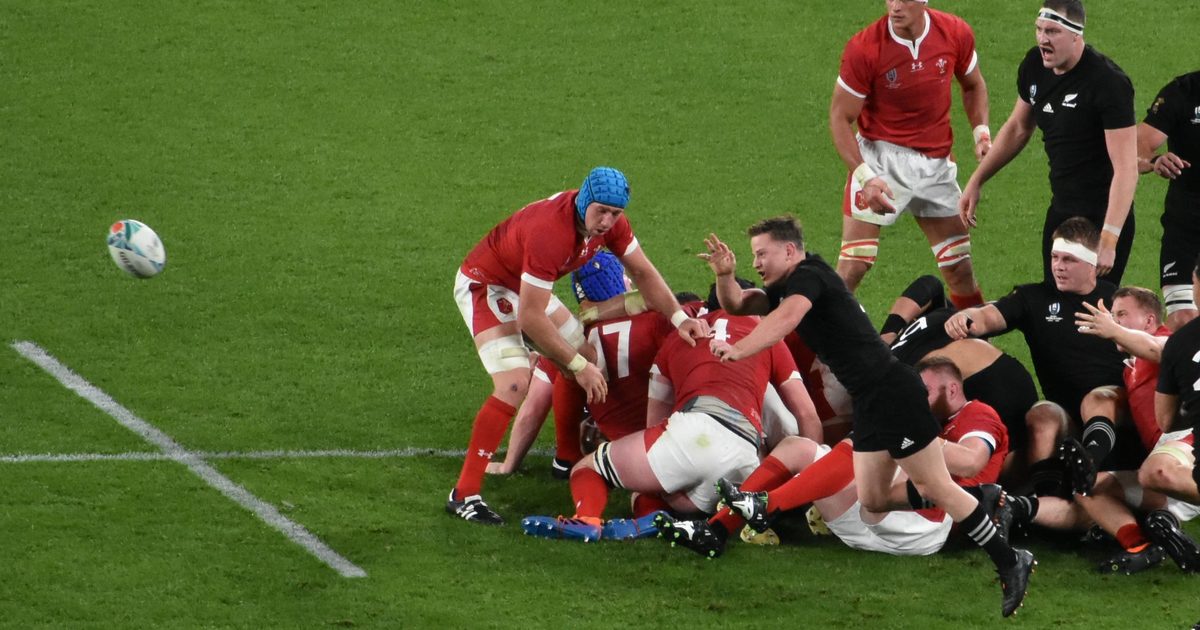
Photo: 江戸村のとくぞう, CC BY-SA 4.0 https://creativecommons.org/licenses/by-sa/4.0, via Wikimedia Commons.
Sources
- NZ Herald. Why Sam Cane is backing new rapid response concussion Hit Kit. https://www.nzherald.co.nz/sport/sam-cane-backing-new-rapid-response-concussion-hit-kit/
- Concussion in Sport Group. CRT6 and SCAT6 Concussion Tools. https://concussioninsportgroup.com/scat-tools/
- Sport and Recreation Alliance. UK Concussion Guidelines for Grassroots Sport (November 2024 update). https://sportandrecreation.org.uk/files/uk-concussion-guidelines-for-grassroots-non-elite-sport---november-2024-update-061124084139.pdf
Luca's platform integrates concussion recognition into a complete clinical pathway, from first CRT6 assessment to documented safe return to sport. See how it works at /how-it-works/.