Guardian Caps and Concussion - What the Science Actually Shows
The NFL promotes Guardian Caps as a concussion-reduction tool, but the independent science is far less certain. Here is what UK grassroots coaches and schools need to know about protective headgear and concussion.
Guardian Caps and Concussion - What the Science Actually Shows
Key takeaways
- The NFL has promoted Guardian Cap soft-shell helmet covers as a concussion-reduction measure, but independent researchers say the supporting evidence is weak.
- No helmet or helmet add-on has been shown to prevent concussion reliably; they reduce linear force, but concussion is driven by rotational acceleration that equipment handles poorly.
- UK grassroots and school sport should not rely on protective headgear as a primary concussion-management strategy.
- The evidence-based approach combines rule changes, technique training, and structured management protocols - not equipment alone.
- The Luca Safe Concussion Framework addresses the full picture, from prevention context to post-incident management.
A Yahoo Sports investigation published this week scrutinised the NFL's promotion of Guardian Caps - soft foam shells that fit over standard helmets - and found a significant gap between the league's marketing claims and what independent sport science actually supports. The story matters beyond American football. Every time a high-profile sport points to a piece of equipment as a concussion solution, coaches and school sport staff in the UK face pressure to follow suit. This article sets out what the evidence says, and what it means for UK grassroots and school sport.
What are Guardian Caps and what does the NFL claim?
Guardian Caps are padded shells worn over the outside of helmets, introduced by the NFL as a mandatory training practice measure. The league has pointed to internal data suggesting they reduce the severity of helmet-to-helmet impacts by absorbing some of the collision force.
The NFL's position is that reduced impact severity translates to reduced concussion risk. In practice, the league mandated their use in preseason and certain practice sessions, and framed this as a meaningful player-welfare advance.
What does independent science say about headgear and concussion?
Here is where the evidence becomes more complicated. The CISG 6th Consensus Statement (Amsterdam, 2022) - the most authoritative international review of concussion science - concluded that no currently available helmet design has been demonstrated to reduce concussion incidence in sport. This applies to rugby headguards, padded football helmets, and soft-shell covers alike.
The core problem is biomechanical. Helmets are designed to reduce linear (straight-line) impact force. They do this reasonably well, which is why they dramatically reduce skull fractures and severe traumatic brain injuries. Concussion, however, is primarily caused by rotational acceleration of the brain inside the skull - the brain twisting and deforming as the head snaps during a collision. Current helmet technology does not address rotational forces effectively.
Guardian Caps absorb some energy in direct impacts. What they cannot do is eliminate the rotational forces that cause the brain to move. The Yahoo Sports report cites researchers at Virginia Tech and the University of Michigan who note that the NFL's own internal data lacks the controls needed to draw meaningful conclusions, and that independent peer-reviewed evidence for concussion reduction is absent.
Does this mean headgear is useless?
No - and it is important not to overcorrect. Helmets and headgear do meaningful work. They reduce the risk of skull fractures, lacerations, and catastrophic traumatic brain injury (TBI). In that sense they are genuinely protective, and players who require them by sport rules should wear them properly.
The honest position - supported by the CISG consensus and by World Rugby's own equipment guidance - is this: protective headgear reduces certain injury types but does not prevent concussion. Coaches, parents, and sport administrators who invest in headgear believing it provides concussion protection are likely to be misled.
The same argument applies to mouthguards. There is reasonable evidence that custom-fitted mouthguards reduce dental injuries and may reduce some impact forces. There is no robust evidence that they reduce concussion incidence, despite claims sometimes made by manufacturers.
What does this mean for UK grassroots and school sport?
UK rugby headguards and football caps are already subject to this debate. Schools and clubs occasionally receive pressure from parents to mandate headgear as a concussion-prevention measure. The honest answer is that this pressure, while understandable, is not well supported by science.
The UK Concussion Guidelines for Grassroots Sport (Sport and Recreation Alliance, November 2024 update) do not recommend headgear as a primary concussion-prevention strategy. They focus instead on the measures that do have an evidence base: player removal when concussion is suspected, structured graduated return-to-play protocols, and minimum stand-down periods.
For school sport specifically, the risk of parents gaining false reassurance from headgear is real. A pupil wearing a cap during a football or rugby session is not protected from concussion - and a coach who believes otherwise may be slower to apply the "if in doubt, sit them out" principle.
What does reduce concussion risk in UK sport?
The evidence points to three areas.
Rule and law changes. The IRFU's two-season lower tackle height trial produced measurable reductions in head contact events. World Rugby's ongoing tackle legislation changes are grounded in this data. Rules that reduce the frequency and severity of head contacts do reduce concussion rates. Equipment cannot replicate this effect.
Technique training. World Rugby's Tackle Ready programme provides coaches with evidence-informed progressions for teaching safer contact technique. Lower tackle height, correct body position, and controlled contact reduce the rotational forces that cause concussion. This is coachable, and the evidence base - while not large - is more solid than for equipment.
Structured management protocols. The strongest intervention after a head impact remains immediate removal and structured graduated return-to-play. The UK Grassroots Guidelines' minimum 21-day stand-down for under-18s exists because premature return - not the original impact - is where serious outcomes become more likely. Protocol adherence is within the control of every coach and school; buying better equipment is not a substitute.
The honest layered approach
Prevention in sport is not a single lever. It is a combination of rule design, technique coaching, and - critically - rigorous management when incidents occur. Equipment plays a role in reducing certain injury types but not in preventing concussion specifically.
UK schools and clubs should resist the appeal of any single product or intervention marketed as a concussion solution. The Luca Safe Concussion Framework takes the layered approach, combining prevention context with structured incident management, return-to-play documentation, and clinical oversight - because no piece of kit replaces a protocol.
What to do next
- Brief your coaching staff that headgear reduces some injury risk but does not prevent concussion. Make sure "if in doubt, sit them out" remains the non-negotiable sideline rule.
- Check your parent communications - if you have ever implied that headgear provides concussion protection, correct the record at the next opportunity.
- Review your concussion protocol against the UK Grassroots Guidelines (November 2024). The protocol is the protection; equipment is not.
- Focus technique investment on tackle and contact drills with clear progression, using World Rugby Tackle Ready as a reference.
- Document everything. When a head impact occurs, the audit trail - from removal to clinical clearance - is what demonstrates your duty of care, not what was on the player's head.
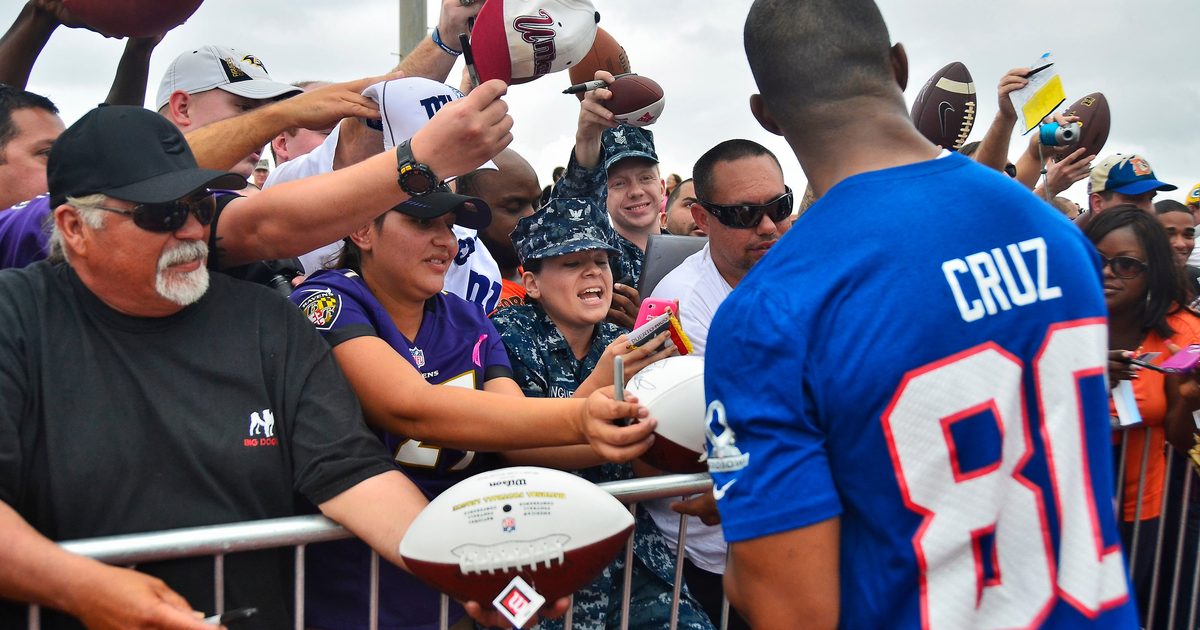
Photo: Petty Officer 2nd Class NPASEWest Hawaii, Public domain, via Wikimedia Commons.
Sources
- Yahoo Sports / The Athletic. The NFL says Guardian Caps make football safer. The science isn't so sure. September 2026. https://sports.yahoo.com/nfl/guardian-caps-concussion-science/
- Patricios JS et al. 6th International Consensus Statement on Concussion in Sport (CISG). British Journal of Sports Medicine, 2022. https://bjsm.bmj.com/content/57/11/695
- Sport and Recreation Alliance. UK Concussion Guidelines for Grassroots Sport (November 2024 update). https://sportandrecreation.org.uk/files/uk-concussion-guidelines-for-grassroots-non-elite-sport---november-2024-update-061124084139.pdf
- World Rugby. Player welfare: equipment guidance. https://www.world.rugby/the-game/player-welfare/equipment
- World Rugby. Tackle Ready programme. https://www.world.rugby/the-game/player-welfare/tackle-ready
Concussion prevention is one part of a complete management approach. The Luca Safe Concussion Framework sets out what evidence-based prevention looks like alongside structured identification, graduated return-to-play, and clinical oversight - all in a single documented standard. Download the framework at /lscf/ and see how it applies to your school or club.