Football Coach Fired for Interfering With Concussion Protocol: What UK Grassroots Sport Must Learn
A US high school football coach was fired after investigators found he interfered with concussion protocols. The case is a warning for UK schools and clubs about what duty of care actually demands.
Football Coach Fired for Interfering With Concussion Protocol: What UK Grassroots Sport Must Learn
Key takeaways
- A Tennessee high school football coach was dismissed after a school district investigation found he interfered with concussion protocols for injured players.
- The case illustrates the difference between having a written policy and actually enforcing it, a gap that matters equally in UK schools and clubs.
- Under UK duty-of-care principles, a school or club that permits or overlooks protocol interference carries institutional liability, not just individual liability.
- The UK Concussion Guidelines for Grassroots Sport (November 2024 update) are clear: immediate removal is non-negotiable, and no coaching authority overrides it.
- A documented, independently auditable concussion framework is the most reliable protection against this kind of institutional failure.
Reports from Tennessee this week confirmed that high school football coach Joseph Osovet was dismissed from Heritage High School after an investigation by Blount County Schools found he had interfered with concussion protocols for injured players. The investigation, reported by the Knoxville News Sentinel and USA Today, concluded that Osovet had pressured or bypassed the processes designed to protect pupils who had sustained head injuries.
The story is American. The lesson is universal - and UK schools and clubs should read it carefully.
What the investigation found
Blount County Schools released its findings publicly, confirming that Osovet had interfered with concussion protocol processes. The specific detail of how that interference happened matters less than the structural failure it reveals: a coach with authority over players was able to compromise a safeguarding process that was supposed to operate independently of coaching decisions.
Osovet subsequently disputed the investigation's findings, but the school district stood by its conclusion and the dismissal.
This is not an isolated case in US high school sport. Protocol interference, players being cleared to return without proper assessment, and institutional pressure on medical staff are recurring themes in American football governance. The question for UK readers is whether the same vulnerabilities exist here.
Why this matters for UK schools and clubs
The UK context is different in some important ways. Concussion management in UK grassroots and school sport sits under a clearer set of guidelines. The UK Concussion Guidelines for Grassroots Sport (November 2024 update, Sport and Recreation Alliance) are unambiguous: any player with a suspected concussion must be removed from play immediately. No coach, no matter how senior, has the authority to countermand that decision.
But guidelines only work if they are enforced - and enforcement requires structures, not just intentions. The Tennessee case shows what happens when a coach's authority is not structurally separated from concussion management decisions.
UK schools and clubs that rely on a single person, often the head coach or the most senior adult present, to both manage the game and assess concussion have a single point of failure. If that person is under competitive pressure, or simply does not understand why protocols exist, the system collapses.
What does UK duty of care actually require here?
Under UK common law and the safeguarding framework established by Keeping Children Safe in Education (KCSIE), schools owe a duty of care to pupils that extends to sport and physical education. That duty is not discharged by writing a concussion policy. It requires the policy to be reliably implemented.
Where a school or club discovers that a coach has overridden or bypassed concussion protocols, and takes no action, it risks being found to have breached that duty. The institution, not just the individual coach, carries responsibility.
The Health and Safety at Work etc. Act 1974 adds an employer-level layer: schools and clubs must provide safe systems of work. A concussion protocol that can be overridden by one person's judgment is not a safe system.
That is why a documented, independently auditable framework matters. It is not bureaucracy for its own sake. It is the mechanism by which schools and clubs demonstrate that their protocol cannot be quietly set aside on match day.
How could this happen? The structural vulnerabilities to look for
The Tennessee case did not happen because a written policy did not exist. It happened because the written policy did not translate into an operational system that was independent of coaching authority. UK schools and clubs should check for the same vulnerabilities:
Single-point authority. If one person is responsible for both team performance and concussion management, those roles are in direct conflict. Concussion assessment should involve a designated person, ideally a trained first aider or school nurse, whose role is independent of match outcome.
No reporting mechanism. If a player or parent suspects a protocol has been bypassed, is there a route to raise it? In schools, the DSL (designated safeguarding lead) is the right escalation point for any concern about a pupil's welfare, including concussion management.
No documentation trail. A protocol that generates no written record can be bypassed without trace. Every concussion event - including removal decisions, assessments, and return-to-play stages - should produce a contemporaneous record.
Cultural pressure. The most dangerous environment is one where players know they are expected to mask symptoms, and coaches know they are expected to keep key players on the pitch. That culture can exist even where a written policy says otherwise. Training and regular reinforcement are the only counters to it.
What UK guidelines say about who makes the removal decision
The November 2024 UK Grassroots Concussion Guidelines are specific: the decision to remove a player with a suspected concussion belongs to the most responsible adult present, guided by the "if in doubt, sit them out" principle. That person does not have to be medically trained. The CRT6 (Concussion Recognition Tool 6), published by the Concussion in Sport Group, is designed for use by non-medical adults, precisely because a coach cannot be expected to self-regulate when competitive stakes are high.
What the guidelines do not permit is a coach or club official overruling a removal decision. Once a player has been removed on suspicion of concussion, they do not return to play that day. No assessment by a non-medic can clear them. The minimum stand-down for under-18s is 21 days under the November 2024 guidance, and clinical sign-off is required before return to contact.
What good governance looks like in practice
The Blount County case is a useful test for any UK Head of Sport, Club Welfare Officer, or headteacher. Ask honestly: if a coach in your organisation decided to bypass the concussion protocol today, would the system catch it?
Good governance means:
- Concussion assessment is carried out by a designated person whose role is defined independently of coaching.
- Every removal, assessment, and return-to-play stage is documented in writing at the time.
- Players and parents know the protocol and know how to escalate concerns.
- Coaches are trained, not just informed, about why immediate removal is non-negotiable.
- The DSL reviews concussion records as part of normal safeguarding oversight.
A documented framework gives schools and clubs the audit trail that demonstrates their protocol is real, not just written. That is the evidential foundation for duty-of-care compliance - and, if something goes wrong, it is what distinguishes an organisation that failed from one that did everything it reasonably could.
Practical steps for schools and clubs this week
- Check who is currently designated as responsible for concussion assessment at fixtures. Is it the same person as the head coach? If so, that is a governance gap.
- Review your last five concussion events (or near-misses). Was each one documented? Can you produce that record today?
- Confirm your DSL knows they have a role in concussion governance, not just social and safeguarding concerns.
- Brief your coaching staff on the "if in doubt, sit them out" principle before the next fixture. The November 2024 UK guidelines should be the reference point, not informal practice.
- If your school or club does not yet have a written, operationalised concussion protocol, treat that as an urgent gap - not an administrative task to defer.
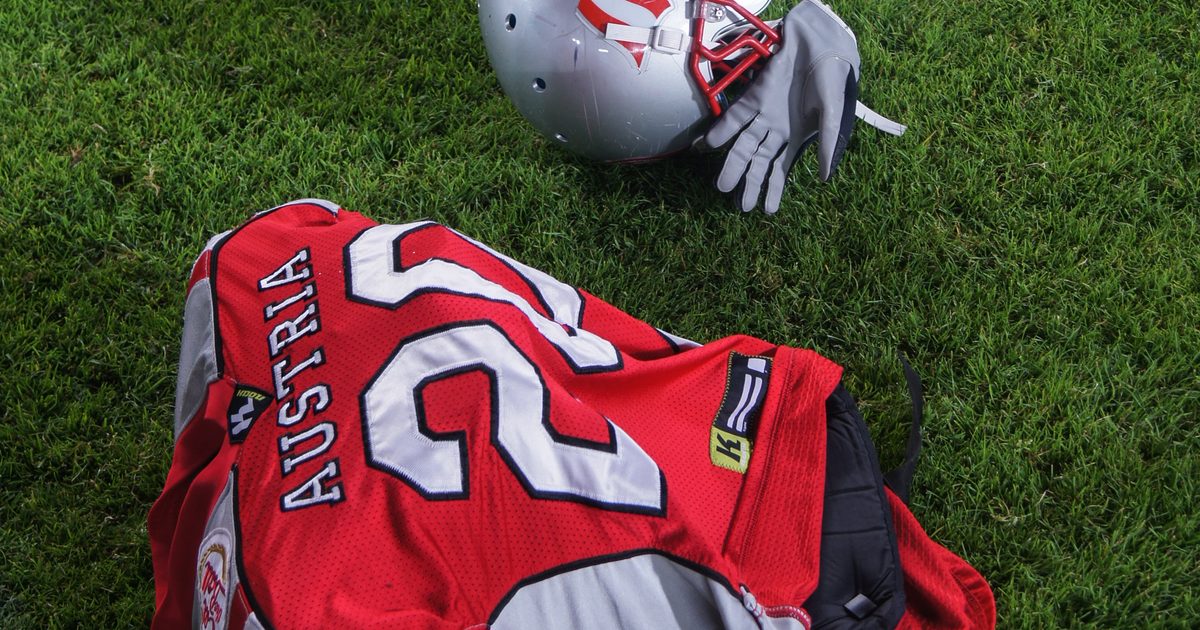
Photo: AleXXw, CC BY-SA 3.0 at https://creativecommons.org/licenses/by-sa/3.0/at/deed.en, via Wikimedia Commons.
Sources
- Knoxville News Sentinel. Former Heritage football coach Joe Osovet disputes Blount County Schools investigation. https://www.knoxvillenewssentinel.com
- USA Today. Why former Tennessee Vols assistant Joe Osovet was fired from high school position. https://www.usatoday.com
- Sport and Recreation Alliance. UK Concussion Guidelines for Grassroots Sport (November 2024 update). https://sportandrecreation.org.uk/files/uk-concussion-guidelines-for-grassroots-non-elite-sport---november-2024-update-061124084139.pdf
- Department for Education. Keeping Children Safe in Education (KCSIE), September 2024. https://www.gov.uk/government/publications/keeping-children-safe-in-education--2
- UK Government. Health and Safety at Work etc. Act 1974. https://www.legislation.gov.uk/ukpga/1974/37
- Concussion in Sport Group. Concussion Recognition Tool 6 (CRT6). https://concussioninsportgroup.com/scat-tools/
A documented, independently auditable concussion framework is the most reliable way for UK schools and clubs to demonstrate that their protocol cannot be overridden by any single person's decision. The Luca Safe Concussion Framework gives schools and clubs the seven-domain structure to build that governance trail - and the confidence that their duty of care is real, not just written.