How Concussion Research Is Reshaping Football - What UK Grassroots Sport Must Know
From high school football in the US to grassroots pitches in the UK, new concussion research is changing how sport is managed. Here is what it means for UK schools and clubs.
How Concussion Research Is Reshaping Football - What UK Grassroots Sport Must Know
Key takeaways
- New concussion science continues to reshape how football - at every level - is organised, coached, and governed.
- The evidence on young athletes is particularly significant: developing brains are more vulnerable and slower to recover than adult brains.
- UK grassroots and school sport must distinguish what applies from US research and what applies directly here.
- "If in doubt, sit them out" remains the non-negotiable first step - but good management extends well beyond the sideline moment.
- Schools and clubs that follow the November 2024 UK Grassroots Concussion Guidelines are already acting on the best available evidence.
A KUTV report published this week captures a theme that has been building for several years: from NFL franchises to high school football programmes, concussion research is forcing sport to rethink how it prepares, protects, and returns its players. The piece focuses on the United States, but the science it references is global - and much of it is directly relevant to UK schools and grassroots clubs managing concussion in young footballers and rugby players right now.
This article translates the key findings for a UK audience and explains what coaches, teachers, and club welfare officers should take from the evidence.
What does the latest research actually show?
The KUTV report draws on a growing body of work showing that concussion affects the developing brain differently from the mature adult brain. This is not a new finding, but the evidence base is becoming harder to ignore at every level of sport.
The CISG 6th Consensus Statement (2023), which underpins UK and international guidance alike, confirms several things coaches and teachers should hold onto:
- Young athletes take longer to recover from concussion than adults, even when symptoms appear similar.
- Return-to-sport decisions must be more conservative for under-18s.
- "Return to learn" - getting a pupil safely back into academic activity - should happen before any return to sport begins.
- Symptom resolution is not the same as brain recovery. A young player who feels fine may still be in a physiologically vulnerable period.
These are not speculative conclusions. They are consensus positions among the world's leading concussion scientists.
Why does US research matter for UK sport?
The honest answer is: partly. The US generates a large share of the world's concussion research, partly because American football produces high-velocity head impacts and partly because it is a heavily litigated sport with large research budgets. Some of that science translates directly to rugby, football (soccer), hockey, and other contact sports played in UK schools and clubs.
What does not translate directly is the regulatory and legal context. NFL protocols, the US Department of Education's Title IX obligations, and state-level concussion laws in the US are not applicable to England, Scotland, Wales, or Northern Ireland. UK schools and clubs work to a different framework.
The relevant UK standard is the UK Concussion Guidelines for Grassroots Sport (Sport and Recreation Alliance, November 2024 update). These guidelines reflect CISG consensus science while being written specifically for community and school sport in the UK. They are the document your protocol should be built on.
What do young athletes specifically need?
The research emphasis on youth concussion is not accidental. Several features of the developing brain make it more vulnerable and slower to recover from a concussive event.
Brain maturation continues until the mid-twenties. The prefrontal cortex, which governs decision-making and impulse control, is among the last structures to fully develop. A concussive impact during this window has a different effect from one experienced by a 30-year-old.
Young athletes are less likely to report symptoms. Research consistently shows that children and teenagers mask or underreport concussion symptoms. Fear of missing out on sport, pressure from teammates or coaches, and a poor understanding of what a concussion feels like all contribute. A player who insists they are fine after a head impact is not necessarily being deceptive - they may genuinely not recognise their own symptoms.
Recovery takes longer. The November 2024 UK Grassroots Guidelines specify a minimum 21-day stand-down from return to contact sport for confirmed concussion in under-18s. This is a floor, not a target. Some young athletes take considerably longer.
Academic impact is real. Cognitive demands - reading, concentrating, using screens, sitting exams - can slow recovery and cause symptom relapse. A pupil who returns to full lessons too quickly may extend their overall recovery time. The Children's Trust concussion guidance supports a staged return to learning that runs in parallel with return-to-sport protocols.
For UK schools managing concussion in children and teenagers, the Luca platform is designed around paediatric-specific guidance and the realities of school sport.
Does the Madden mod controversy matter?
One of the more unusual news items this week was a Sports Illustrated report about a Madden video game modification that reintroduces in-game concussions, framing them as a challenge to the sport's culture of toughness.
For UK readers, the cultural commentary is more relevant than the game itself. The mod reflects a broader shift in how concussion is understood publicly: no longer a badge of toughness but a clinical event with real consequences. That cultural shift - from "he just got his bell rung" to "he needs to come off and be assessed" - is exactly what UK grassroots sport has been working to accelerate.
The "if in doubt, sit them out" principle in the November 2024 UK guidelines exists partly because culture, not just knowledge, drives behaviour on the touchline. Coaches who feel pressure to keep a player on because removing them looks soft need institutional support to make the right call. A documented protocol provides that support.
What should UK coaches and teachers actually do?
The research picture is important context, but it needs to translate into practice. Here are the concrete steps that flow from the current evidence.
At the moment of suspected concussion:
- Remove the player from the field immediately. Do not wait for symptoms to develop.
- Use the CRT6 (Concussion Recognition Tool 6) - a free, validated tool any coach or teacher can use at the sideline. It is a recognition tool, not a diagnostic one.
- Do not return the player to the field on the same day, under any circumstances. This is a firm rule in the November 2024 UK guidelines.
- Inform the player's parents or guardians.
In the days that follow:
- Begin cognitive rest. This means limited screen time, no homework, no loud environments, and prioritising physical rest.
- Start the staged return to school before the staged return to sport.
- Keep structured records of symptom progression. These records matter for safeguarding, for NGB compliance, and for any GP or clinical referral.
Before returning to contact sport:
- The under-18 minimum is 21 days from injury, not 21 days from symptom resolution. The clock starts at the incident.
- Each stage of the graduated return-to-play protocol must be completed symptom-free before progressing.
- Clinical clearance is required before returning to contact or competition.
The Luca Safe Concussion Framework sets out each of these steps in a documented, seven-domain structure aligned with the November 2024 UK guidelines.
What about the Guardian Caps controversy?
Also circulating this week was a BroBible report quoting a concussion expert calling Guardian Caps a "scam" in the context of high school football. Luca published a detailed analysis of the Guardian Cap evidence in September 2026. The short version remains the same: no equipment currently marketed prevents concussion. Equipment may reduce the force of some impacts, but the CISG 6th Consensus and UK guidelines are clear that no helmet, headguard, or mouthguard should be treated as a concussion-prevention device.
This matters in the UK school context because headguards in rugby are sometimes presented to parents as concussion protection. They are not. The appropriate language is impact attenuation, not concussion prevention - and the evidence even for impact attenuation is mixed.
Practical takeaways for schools and clubs
- Build your protocol around the November 2024 UK Grassroots Concussion Guidelines, not US-derived guidance. The science overlaps, but the framework differs.
- Train every member of staff who supervises sport in the CRT6 and the "if in doubt, sit them out" principle - not just the Head of Sport.
- Apply the paediatric minimums for all under-18s. A 21-day minimum stand-down is non-negotiable, and clinical clearance is required before contact resumes.
- Start the return-to-learn pathway before the return-to-sport pathway. A pupil who can sit through a full school day without symptoms is closer to being ready to begin graduated physical activity.
- Keep records. Every concussion event should leave an audit trail: the incident, the CRT6 assessment, the symptom log, each stage of return, and the clearance decision.
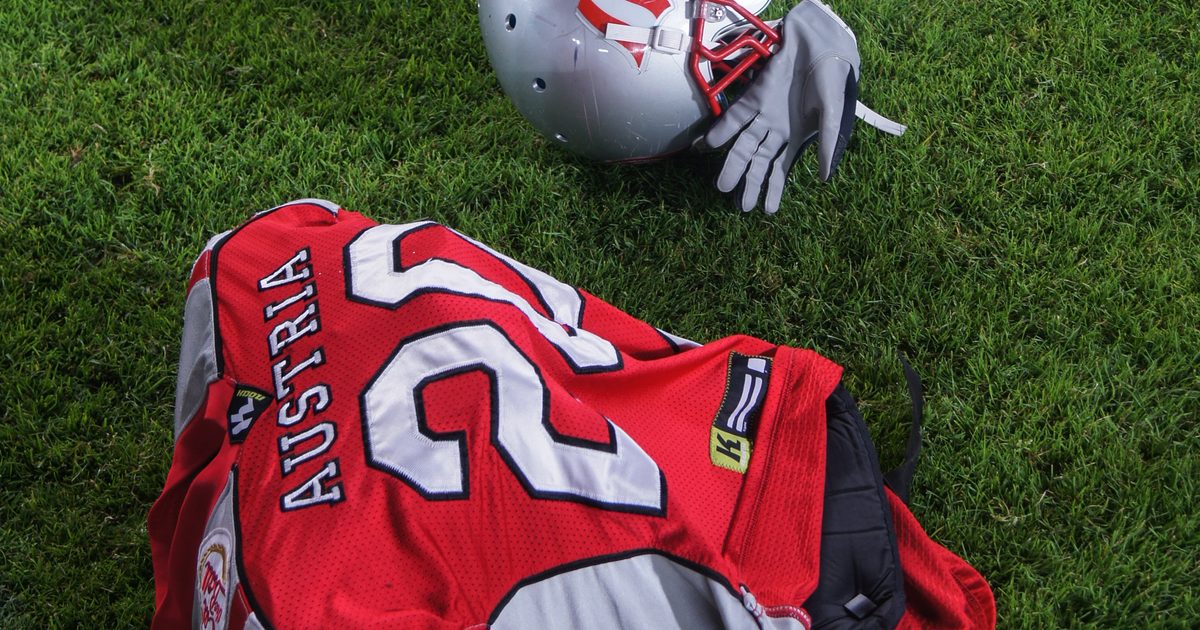
Photo: AleXXw, CC BY-SA 3.0 at https://creativecommons.org/licenses/by-sa/3.0/at/deed.en, via Wikimedia Commons.
Sources
- KUTV. From NFL to high school football, concussion research continues to reshape game. October 2026. https://news.google.com/rss/articles/CBMiqgFBVV95cUxOOWlsdmZlbXVIUWJKRFRfd0M4RTZhWDZKQ3pldk91MmJpcnc5YTFsNlc5UzZZajdOR3JaMzI5cE9LQ1Z6cmc3WC1aMUZHc0wteTRqT3c3Q182WkhEc241R09JNHlTckJFTnhRU0VmYzdPSEhhQ2Y0VUVzYm9xOFBXb0lscDdRRUZUS3UtZDZaYUZOaXYxcThHSnFFdW5INTcyUlREV0lKSTRiUQ?oc=5
- Sport and Recreation Alliance. UK Concussion Guidelines for Grassroots Sport (November 2024 update). https://sportandrecreation.org.uk/files/uk-concussion-guidelines-for-grassroots-non-elite-sport---november-2024-update-061124084139.pdf
- Patricios JS et al. Consensus statement on concussion in sport: the 6th International Conference on Concussion in Sport, Amsterdam, October 2022. British Journal of Sports Medicine, 2023. https://bjsm.bmj.com/content/57/11/695
- Davis GA et al. Sport Concussion Assessment Tool - 6th edition (SCAT6) - and the Concussion Recognition Tool 6 (CRT6). British Journal of Sports Medicine, 2023. https://bjsm.bmj.com/content/57/11/712
- The Children's Trust. Concussion information for schools. https://www.thechildrenstrust.org.uk/brain-injury-information/conditions/concussion
UK schools and clubs managing concussion in young athletes need a structured, evidence-based framework that goes beyond the sideline moment. The Luca Safe Concussion Framework implements every stage - from first incident through graduated return to sport - aligned to the November 2024 UK Grassroots Concussion Guidelines. It is free to download and built specifically for UK school and grassroots sport.